Circles and Lines Journal Interior
Some creative tools don't try to impress with complexity. They earn attention through clarity, structure, and quiet versatility. The Circles and Lines Journal Interior is exactly that kind of asset—a thoughtfully composed 100‑page PDF, sized at 8 × 10 inches, ready to upload directly to Amazon KDP or any print‑on‑demand platform. It’s a digital product, not a physical book; you download it, then use the file as the interior for your low‑content or no‑content publication. For journal creators, indie publishers, designers, and side‑hustle entrepreneurs, that immediacy changes everything.
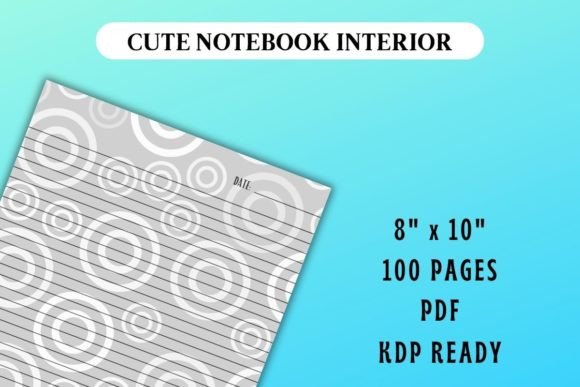
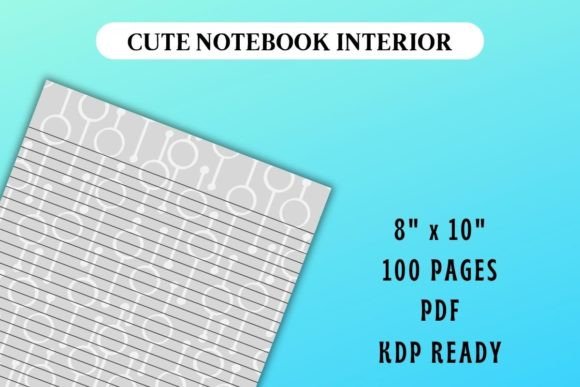
Instead of a blank slate that asks users to invent the layout from scratch, this interior offers a gentle geometric framework. Circles hover between horizontal lines, giving each page a subtle visual anchor. It’s minimalist enough to avoid distraction, yet intentional enough to make a notebook feel considered. The combination of round forms and straight guides works like a visual prompt—useful for written reflection, bullet‑style planning, sketch‑note mapping, or daily log keeping. And because the pattern repeats cleanly across all 100 pages, the result inside a finished paperback or coil‑bound book looks cohesive and professional, not randomly pieced together.
A Pattern That Supports, Not Overpowers
The true strength of the Circles and Lines Journal Interior lies in its design restraint. Many printable interiors either overwhelm the page with heavy lines or feel so bare that users struggle to stay organized. Here, thin horizontal tracks create natural writing zones, while the circle elements break the monotony and introduce a soft, organic rhythm. The circles can function as bullet points, small diagram spaces, doodle frames, or simple breathing room between paragraphs. For journalers who rely on structure to stay consistent, this layout feels encouraging without being rigid.
Users who try the interior often discover that the circles become silent companions for ideas. Someone drafting a marketing plan might circle key action items. A teacher crafting lesson notes could frame core vocabulary. A habit tracker layout can live naturally alongside linear to‑do lists. This dual nature—part writing guide, part creative canvas—makes the file adaptable across niche journals, guided workbooks, and minimalist diaries. The 8 × 10 format also gives enough room for generous handwriting while remaining familiar to print‑on‑demand trim options, cutting down on production surprises later.
Turning a Simple Interior Into a Dozen Different Books
One of the most practical ways to unlock value from this interior is to treat it as a versatile base layer. Instead of launching a single generic notebook, you can pair the same PDF with different cover designs and metadata to reach distinct audiences. Consider these real‑world starting points:
- Gratitude & Reflection Journals – The soft circle accents soften the page, making it feel less like a ledger and more like a reflective space. Add a warm, typographic cover and call it “Morning Circles: A 5‑Minute Gratitude Practice.”
- Designer Sketchbooks – Creatives often need a mix of writing space and small thumbnail zones. The circles can frame quick wireframes, mood board notes, or color palette swatches.
- Daily Stand‑Up Logs for Agile Teams – Market the notebook to project managers and scrum masters. The line pattern structures daily updates, blockers, and team notes, while circles mark priority items.
- Educator Planning Pages – Teachers can use the linear rows for lesson steps and the round shapes for learning objectives or student name quick‑writes.
- Manifestation & Goal‑Setting Workbooks – Add a few prompting words on the cover and position the circles as “intention focal points.” Low‑content books sell well in this niche when the interior feels intentional, not empty.
Because the PDF is print‑ready, there’s no need to tweak margins, adjust bleed, or reformat for KDP’s requirements. You download, upload, set your cover, and publish. This speed lets you test multiple audience targets without weeks of layout work—a benefit for small publishers and side‑hustle creators who need to move quickly and iterate based on real sales data.
Adapting It for Guided Journals and Hybrid Formats
While the Circles and Lines Journal Interior ships as a consistent 100‑page file, advanced users can adapt it into a guided or hybrid interior. For example, you might split the PDF and insert a title page, weekly check‑in prompts, or habit tracking grids before certain sections. Even without heavy editing, you can influence how people use the book by what you say on the cover and in the product description. A notebook described as “The Strategy Circles Planner for Freelancers” immediately frames the circles as home for key objectives, client names, or income tracking, even though the internal pattern remains unchanged.
This approach works because the brain seeks cues. When a user sees a cover that mentions “weekly brand audit,” they’ll naturally lean toward using the circles as audit checkpoints. The interior becomes a chameleon—not through complex coding, but through thoughtful product positioning. That’s a subtle but powerful technique to stand out in crowded low‑content categories, where many sellers simply drop a blank or dotted grid and hope for the best.
Who Gains the Most From This Interior?
The straightforward answer is anyone who sells or creates print‑on‑demand journals. But the deeper audience includes professionals who run small studios, bloggers who want branded merch, coaches and consultants building client kits, and even brick‑and‑mortar shop owners looking for a unique stationery line without custom manufacturing. Here’s why different groups connect with the Circles and Lines Journal Interior:
- Freelancers & Solopreneurs – They can launch a private‑label notebook line as an additional revenue stream or a lead magnet. The geometric design feels polished enough for a premium product, even without illustration skills.
- Teachers & Workshop Facilitators – Printable interiors let them create consistent course materials that participants can hold as a physical workbook. The circles help separate reflection moments from instructional points.
- Marketers & Brand Strategists – They can incorporate a branded journal into client welcome packages. The clean pattern doesn’t compete with logos or brand colors on the cover.
- Hobbyist Creators – Even without a huge audience, someone can experiment with niche ideas: a meditation tracing book, an astronomy observation log, or a coffee‑tasting journal where circles frame aroma notes.
The file does not lock you into one demographic. By adjusting the cover, title, and keywords, you effectively pivot the same elegant interior toward a new buyer in minutes.
Practical Upload and Production Tips
Working with the Circles and Lines Journal Interior on KDP requires almost no technical overhead, but a few habits turn a good listing into a reliable seller. First, always preview the uploaded file with Amazon’s online viewer to confirm alignment—8 × 10 inches is a standard size, so margins should hold steady. Second, consider your cover’s bleed settings carefully; a full‑wrap design makes the book feel more substantial and matches the interior’s clean aesthetic.
If you plan to publish a series, keep the interior pattern consistent but play with cover palettes and typography. Buyers who love the “Creative Circles Daily Planner” may return for the “Leadership Circles Meeting Journal” in navy and gold. Consistency builds recognition, and recognition usually drives repeat sales. Also, mention the interior’s paper‑friendly line weight in your listing: the thin, mid‑gray lines reproduce well without overpowering pencil, pen, or light marker. Customers care about that real‑world writing experience, and highlighting it in product bullet points increases trust and reduces returns.
Keeping Results Audience‑Friendly Without Falling Into Clichés
It’s tempting to describe any creative interior as “perfect for anyone” or “unlock your infinite potential.” But readers—and customers—respond better to grounded language. Instead, focus on what the pattern actually does: it reduces visual clutter, provides subtle guidance, and gives hand‑drawn elements a natural home. A circle on each line pair invites micro‑drawings, checkboxes, or anchoring symbols. That’s not magic; it’s a well‑designed constraint. Constraints help people finish journals rather than abandon them after five pages.
For example, a blogger creating a daily content planner might use the circles to track post status: empty circle for “idea,” half‑filled for “drafting,” fully colored for “scheduled.” The lines hold the actual topic, keywords, and publish date. This simple system barely needs instructions because the layout implies the behavior. That’s the kind of organic usability that converts a basic interior into a product people recommend.
From a Single File to a Cohesive Brand
When you treat the Circles and Lines Journal Interior as a foundational asset rather than a one‑off product, opportunities multiply. You can build an entire low‑content catalog around the same geometric language: a lined version, a dot‑grid hybrid, a daily edition with date headers, or even a compact 6×9 pocket variant for travel. By keeping the circle‑and‑line motif recognizable, you create a visual brand signature that customers begin to trust. That trust turns a $5.99 notebook purchase into email sign‑ups, social media shares, and long‑term fans.
Many successful KDP publishers start with exactly this approach. They take one strong interior, pair it with ten covers across niches, and let the market tell them which angle resonates most. The interior’s subtle geometry helps because it doesn’t scream for a single theme—it supports law of attraction journals as gracefully as it supports engineering logbooks. This chameleon quality, paired with the 8 × 10 PDF’s print‑ready convenience, reduces the risk of experimenting. If one concept stumbles, you haven’t lost weeks of custom layout design; you simply re‑angle and try again.
Ultimately, the Circles and Lines Journal Interior solves a quiet but persistent problem for low‑content creators: how to offer something visually distinctive without overcomplicating production or alienating users. Its circles and lines are simple enough to fade into the background when someone writes, yet present enough to make each page feel intentional. That balance between utility and aesthetic consideration is rare in a digital interior that’s ready to upload as‑is. Whether you’re launching your first notebook or expanding a growing line, this file gives you a professional starting point that leaves plenty of room for your own creative direction.